
Why Fitness Trackers Confuse So Many People
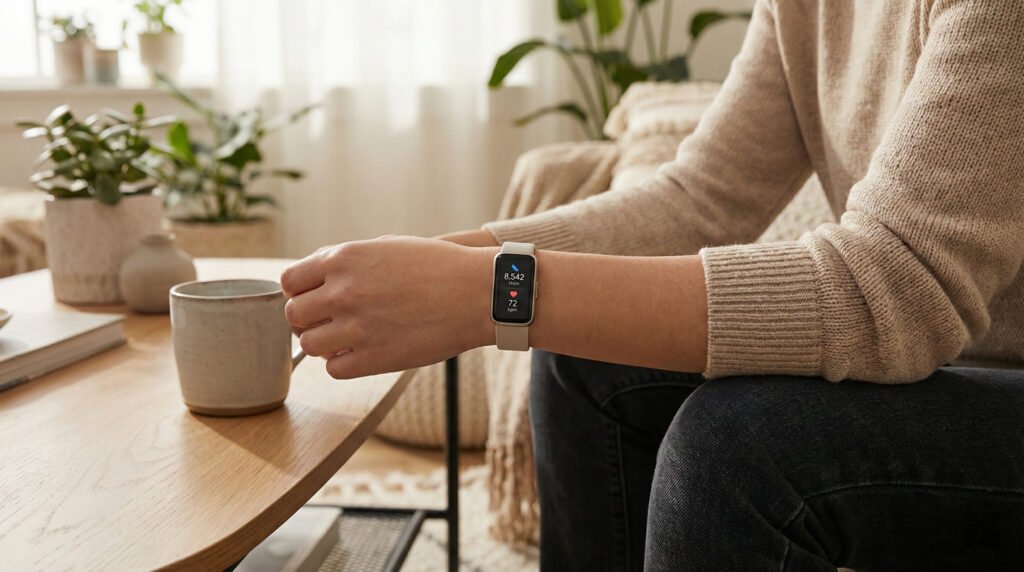
Fitness trackers are everywhere, on wrists at the gym, on desks at work, and in advertising everywhere promising to improve our health. They’re marketed as devices that can help you lose weight, sleep better, reduce stress, or improve fitness. Yet despite their popularity, many people still aren’t clear about what these devices actually do, or how useful they really are.
Part of the confusion comes from expectations. Marketing suggests that wearing a fitness tracker will make you healthier. In reality, fitness trackers don’t improve your health by themselves. They collect data. Without understanding what that data means, it’s easy to feel overwhelmed, confused, or unsure whether the device is helping at all. Many people abandon their trackers after a few weeks.
This article clears up that confusion. It focuses on what fitness trackers are designed to do, the patterns they can highlight, and their limitations. Used correctly, these devices are powerful awareness tools, but understanding their role is key. Health data alone does not make you healthier; it’s how you interpret and act on that information over time that counts.
What Exactly Does a Fitness Tracker Do?
At its core, a fitness tracker is a data collection tool. It continuously measures activity, physiological signals, and sleep patterns, then turns this information into patterns you can observe over time. This is a crucial distinction: fitness trackers are not diagnostic devices. They can’t tell you what’s wrong, but they can help you notice what’s changing.
Movement Patterns and Activity Tracking
One of the main features of fitness trackers is tracking daily movement. Using motion sensors, trackers record steps, active minutes, and periods of inactivity. Over time, these devices can reveal whether your lifestyle is sedentary, active, or irregular (for example, very active on weekends but inactive during the week).
These patterns matter more than daily totals. Seeing long-term trends helps users understand their habits and encourages realistic adjustments to daily routines.
Heart Rate and Resting Heart Rate Trends
Modern trackers continuously measure heart rate, both during activity and at rest. While a single reading is often meaningless, long-term trends, especially resting heart rate provide valuable insights into fitness, recovery, and stress levels.
For example, a gradually increasing resting heart rate over weeks or months may indicate inadequate recovery, stress, or changes in cardiovascular fitness. This doesn’t automatically mean something is wrong, but it can prompt reflection and help users take early action if needed.
External resources such as the American Heart Association emphasize that long-term heart rate patterns are far more useful than isolated measurements.
Sleep Monitoring
Sleep tracking is another key feature. Fitness trackers use movement and heart rate to estimate when you fall asleep, how long you sleep, and how often sleep is interrupted. While not as precise as clinical sleep studies, trackers are effective at identifying sleep duration and consistency.
Consistent issues, like irregular bedtimes, short sleep, or repeated interruptions, become visible over time. This insight helps users link sleep habits to energy, mood, and overall health.
Trends Over Single Events
Perhaps the most misunderstood aspect of fitness trackers is their focus on long-term trends, not single events. One poor night of sleep, a stressful day, or a skipped workout does not define your health. What matters is patterns over time, which help distinguish normal day-to-day variation from meaningful changes that may deserve attention.
The Mayo Clinic recommends using wearable devices as supportive tools for monitoring general health, not as standalone diagnostic instruments.
What Health Data Do Fitness Trackers Actually Collect?
Fitness trackers focus on a limited but meaningful set of data points related to movement, heart function, sleep, and recovery. They do not provide medical diagnoses, but they make lifestyle patterns more visible.
Heart Rate and Resting Heart Rate
Heart rate monitoring is a core function. While a single reading is not significant, tracking resting heart rate over time is useful. Long-term changes can reflect shifts in fitness, stress, sleep quality, or recovery.
For example:
- A rising resting heart rate may indicate overtraining, poor sleep, or reduced cardiovascular fitness.
- A decreasing resting heart rate over months may reflect improved cardiovascular health.
Trends, not daily spikes, provide meaningful insights.
Movement and Activity
Fitness trackers monitor steps, active minutes, and sedentary periods. Many devices also estimate activity intensity by combining movement with heart rate.
These data points help highlight inactivity risks and behavior patterns, not performance. For example:
- A person might meet daily step goals but spend hours sitting at a desk.
- Someone may have inconsistent activity, such as very active weekends and sedentary weekdays.
Understanding these patterns encourages small but meaningful changes throughout the day.
Sleep Duration and Consistency
Trackers estimate when you fall asleep, how long you sleep, and disruptions during the night. While they cannot measure sleep stages accurately, they can identify sleep debt and irregular schedules.
Repeated poor sleep over weeks or months can affect mood, energy, and cognitive performance. Trackers make these patterns visible, allowing users to make gradual improvements to sleep habits.
Stress and Recovery Signals
Some trackers use heart rate variability (HRV) and resting heart rate trends to estimate stress and recovery. These signals reflect the body’s response to physical and mental demands, but they are not direct measurements of stress.
Low recovery metrics may indicate insufficient rest, overtraining, or prolonged mental strain. While not diagnostic, these signals prompt reflection: Am I resting enough? Am I balancing work and recovery?
Putting the Data in Perspective
Fitness trackers do not provide definitive answers. Heart rate, movement, sleep, and recovery metrics are most useful when considered together over time. They help recognize habits and notice changes early but cannot replace professional medical care.
Health Problems Fitness Trackers Can Highlight Early
Fitness trackers act as early awareness systems. They help highlight patterns that may indicate potential health issues before obvious symptoms appear.
Cardiovascular Health
Resting heart rate trends can indicate cardiovascular changes. A gradual increase over time may signal stress, poor recovery, or declining fitness. These trends are early signals, not diagnoses, prompting users to consider lifestyle adjustments or seek professional advice if needed.
Chronic Sleep Deprivation
Trackers can reveal long-term sleep debt. Signs include:
- Repeated short sleep nights
- Irregular sleep schedules
- Frequent interruptions
Chronic sleep deprivation affects mood, concentration, and immunity. Trackers make patterns visible, encouraging better sleep habits.
Burnout and Overexertion
Consistently high resting heart rate, reduced HRV, or poor sleep may indicate burnout or overtraining. Trackers highlight when recovery is insufficient, prompting rest, stress management, or adjustments to activity intensity.
Sedentary Lifestyle Risks
Prolonged inactivity is linked to cardiovascular, metabolic, and overall health risks. Trackers show how much time is spent inactive, encouraging movement during breaks and better overall activity distribution.
The CDC highlights sedentary behavior as a significant health risk, even for those who exercise regularly.
What Fitness Trackers Can’t Do
They Are Not Medical Devices
Fitness trackers are for wellness awareness, not diagnosis. The FDA distinguishes consumer wearables from clinical devices. While trackers can flag unusual trends, they cannot confirm or rule out health conditions.
Accuracy Is Variable
Sensor readings are influenced by:
- Wrist placement
- Skin tone
- Body composition
- Temperature
- Movement type
Trackers provide approximations, not exact values. Consistency over time matters more than single readings.
They Can’t Explain Causes
Trackers show trends, not causes. A rising heart rate or poor sleep score could be due to stress, illness, dehydration, or lifestyle changes. Understanding the why requires context, self-awareness, and, if needed, medical consultation.
Who Benefits Most From Fitness Trackers
- Beginners building healthy habits: see objective feedback on steps, sleep, and activity trends.
- Desk workers / sedentary individuals: identify inactivity and encourage movement breaks.
- People improving sleep: spot patterns, not perfection, to improve sleep consistency.
- Health-conscious individuals: use trackers as awareness tools, not diagnostic devices.
Fitness trackers answer the question, “What’s changing?” rather than “What’s wrong?”.
How to Use a Fitness Tracker Wisely
- Focus on Trends: Weekly or monthly averages matter more than daily numbers.
- Combine Data With How You Feel: Track energy, mood, and fatigue alongside device metrics.
- Set Realistic Expectations: Trackers support awareness, not health fixes.
- Know When to See a Doctor: Persistent concerning trends or symptoms should prompt medical advice.
The Harvard Health website emphasizes using wearable data as a conversation starter, not a conclusion.
FAQ About Fitness Trackers
Are fitness trackers good for health monitoring? Yes, for tracking trends in activity, sleep, and heart rate over time. They are not clinical devices.
Can trackers detect health problems? They highlight early signals (e.g., high resting heart rate or poor sleep patterns) but cannot diagnose conditions.
What should I track daily? Core metrics: steps, resting heart rate, and sleep duration. More metrics can add noise.
Do fitness trackers improve health? Not directly. They support healthier habits by increasing awareness and motivation.
Can trackers replace doctor visits? No. They supplement awareness, but professional medical evaluation is essential for any concerns.
Final Thoughts
Fitness trackers are most valuable when used for awareness, not perfection. They make invisible habits visible, highlight trends, and provide context for lifestyle changes.
Used responsibly, they help:
- Support informed decisions
- Encourage healthier routines
- Prompt early reflection on changes in activity, sleep, or recovery
They are guides, not judges, and are most effective when paired with self-awareness and professional advice when necessary.
Fitness trackers work best as early warning systems, quietly showing trends you might otherwise miss. They won’t replace doctors, but they can help you make small, sustainable improvements over time.
Keywords Used
fitness tracker, Fitness tracker uses, Fitness tracker advantages, fitness tracker disadvantages